
I Tested the Best Wire Wheel Machines: Top Picks for Every Workshop

For tough cleaning and surface preparation tasks, the right wire wheel and machine can save time and effort. These tools help remove rust, loose paint, and grime, but the best choice depends on the surface, the machine’s speed, and the wheel’s fit. Below are four workshop products, followed by a guide to choosing a suitable setup. The Aidelife and DEWALT products are brush attachments rather than complete machines. The SENDUO part is a feeder wheel for a wire stripping machine, so it serves a different purpose from a surface-cleaning brush.
Wire Wheel Attachments and Workshop Replacement Parts

Aidelife Metal Wire Brush for Grinding Machine Renovator,Drawing Wire Wheel Ø120×100, Wire Drawing Machine Attachment. for Soiled Metal or Stone Surfaces and for The Removal of Grey from Wood
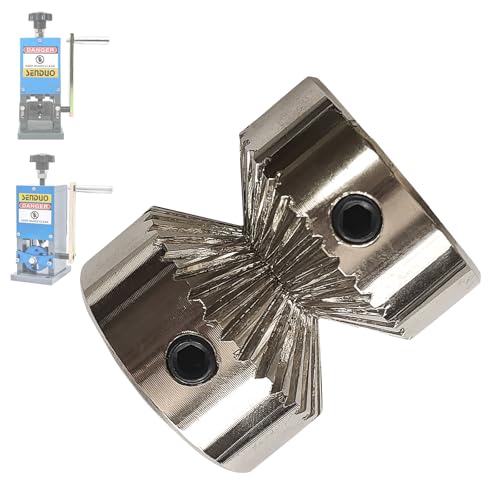
Replacement Wire Passing Wheel for SENDUO Wire Stripping Machines,Feeder Assembly Replacement Kit (Not The Spindle)

DEWALT Wire Wheel For Bench Grinder, Crimped Wire, 8-Inch (DW4906)

DEWALT Wire Wheel, 8-Inch, Crimped, 5/8-Inch Arbor, Wide Face, .014-Inch (DW4907)
1. Aidelife Metal Wire Brush for Grinding Machine Renovator,Drawing Wire Wheel Ø120×100, Wire Drawing Machine Attachment. for Soiled Metal or Stone Surfaces and for The Removal of Grey from Wood
The Aidelife brush combines wear-resistant metal wire with a plastic core. Its Ø120×100 size is intended for a compatible wire drawing or renovator machine. It is a useful option for larger surface-cleaning tasks, including rusty metal, loose paint, and soiled stone surfaces.
Removing grey weathering from a wooden bench is another intended use. A wire brush can change the wood’s texture by removing softer material, so test a hidden area first and work with the grain. It prepares or textures the surface rather than producing a glossy finish.
For weekend renovation projects, check the attachment fitting and speed rating before buying. Use light pressure and keep the brush moving to avoid uneven cleaning or excessive material removal. Match the brush to the surface rather than assuming one setting will suit metal, stone, and wood.
Get It From Amazon Now: Check Price on Amazon & FREE Returns
2. Replacement Wire Passing Wheel for SENDUO Wire Stripping Machines,Feeder Assembly Replacement Kit (Not The Spindle)
This SENDUO replacement wire passing wheel is a feeder assembly component, not a spindle or a surface-cleaning brush. Its purpose is to grip waste wire and guide it through a compatible stripping machine, helping reduce sideways deflection.
The wheel has a 1.73-inch outside diameter and a 0.59-inch inside diameter. Its finely milled construction provides a gripping surface, while the nickel-plated finish helps resist corrosion. Check the dimensions and machine model before ordering a replacement.
Replacing a worn feeder wheel can improve wire handling, but correct alignment and adjustment still matter. Disconnect the machine from power before fitting the part, and follow its instructions for setup and wire size.
Get It From Amazon Now: Check Price on Amazon & FREE Returns
3. DEWALT Wire Wheel For Bench Grinder, Crimped Wire, 8-Inch (DW4906)
The DEWALT DW4906 is an 8-inch crimped wire wheel for a compatible bench grinder. Its internal holding plate supports wire retention and consistent operation. The wheel is constructed for even balance, which helps it run smoothly when correctly mounted.
The specified wire grades and crimped construction make this a practical option for general workshop cleaning and surface preparation. Crimped wire offers flexibility for working over surface contours, although pressure and wire thickness still affect the finish.
For a bench-mounted setup, check the arbor fit, guard clearance, and wheel speed rating. Stop the machine if the wheel wobbles or vibrates unusually. A balanced wheel contributes to smooth operation, but it does not replace correct mounting, guarding, or protective equipment.
Get It From Amazon Now: Check Price on Amazon & FREE Returns
4. DEWALT Wire Wheel, 8-Inch, Crimped, 5/8-Inch Arbor, Wide Face, .014-Inch (DW4907)
The DEWALT DW4907 combines an 8-inch diameter, a 5/8-inch arbor, and .014-inch crimped wire with a wide face. The wider contact area is useful for cleaning broader metal surfaces, while the flexible crimped wires can reach into some recesses and surface contours.
This is an option for removing rust and loose paint on a compatible grinder. Check the arbor size, mounting hardware, available clearance, and rated speed before installation. The 5/8-inch arbor alone does not establish compatibility.
The wide face can cover more surface in a pass than a narrower wheel, but controlled pressure is still important. Keep the workpiece moving and let the wire tips do the cleaning. Test the finish before treating the whole piece, since wire brushing can leave scratches and will not produce a mirror polish.
Get It From Amazon Now: Check Price on Amazon & FREE Returns
Why the Best Wire Wheel Machine Is Necessary
A suitable wire wheel machine makes rust, loose paint, and corrosion removal more efficient. For repeated workshop jobs, a powered brush can reduce the effort required compared with hand brushing. The best setup is the one that matches your workpiece and workload, rather than simply the most expensive machine.
Good control matters as much as cleaning speed. A suitable wheel, stable machine, and light working pressure help limit unwanted surface damage. Delicate areas may need a less aggressive brush or hand cleaning. Strong construction, reliable bearings, and readily available replacement parts can reduce maintenance problems over time.
For painting or restoration, wire brushing is one stage of preparation. Remove remaining dust, grease, and loose material, then follow the coating manufacturer’s surface-preparation instructions. Choosing and using the equipment correctly helps produce more consistent results.
My Buying Guides on Best Wire Wheel Machine
I start with the work I need to do, then compare machines and compatible wheels. These are the features I look at before choosing a setup for a workshop.
1. Understand What a Wire Wheel Machine Is
A wire wheel machine rotates a brush for cleaning, light deburring, and rust removal, mainly on metal surfaces. It can prepare a surface for further finishing, but fine polishing generally needs a separate polishing process. A wire stripping machine has a different job: removing insulation from electrical wire. Its feeder wheels are not substitutes for cleaning brushes.
2. Types of Wire Wheel Machines
Wire wheel setups come in several forms:
- Bench-top Wire Wheel Machines: Compact and useful for smaller jobs or hobby workshops, provided the machine is securely mounted.
- Floor-standing Wire Wheel Machines: Often suited to heavier-duty or industrial work, with power and capacity varying by model.
- Portable Wire Wheel Attachments: Suitable attachments can fit drills or grinders, giving flexibility for workpieces that cannot easily be brought to a bench.
Choose according to your workspace, the size of the workpiece, and how often you expect to use the machine. A portable tool helps with large fixed surfaces, while a bench setup can suit smaller parts that can be held securely.
3. Wire Material and Wheel Size
Steel wire wheels are commonly used for tough rust and paint removal on suitable ferrous metals. Brass wire can provide a less aggressive option, but it can still scratch a surface. Stainless steel wire is commonly chosen for stainless steel work to avoid contamination from ordinary steel wire. Keep brushes used on stainless steel separate from those used on other metals.
Wheel diameter, face width, wire thickness, and construction all affect access and cleaning action. A larger or wider wheel can cover more area, but it must fit the machine and its guards. Balance coverage with maneuverability, and test any brush on an inconspicuous area first.
4. Motor Power and Speed
Motor power affects how well the machine maintains speed under load. Check RPM, or rotations per minute, along with the wheel diameter and intended application. Faster operation is not automatically better, and excessive pressure can slow the machine or damage the brush.
The machine’s operating speed must never exceed the wheel’s maximum rated speed. Variable speed can be useful for adjusting cleaning action, provided the settings remain within the tool and attachment instructions.
5. Durability and Build Quality
For repeated abrasive work, look for sturdy metal housings, quality bearings, and secure mounting points. A well-balanced assembly helps reduce vibration. Customer reviews can offer useful information about reliability, replacement-part availability, and long-term maintenance.
6. Safety Features
Choose a machine with suitable guards to help contain debris and broken wire fragments. A stable base or secure mounting arrangement reduces movement during use. Easy-to-reach power switches and emergency stops, where fitted, are useful features.
Wear safety goggles and a face shield, and use hearing and respiratory protection appropriate to the task. Keep loose clothing, hair, and jewellery away from rotating parts. Follow the machine’s instructions on hand protection and workpiece handling, since gloves can create an entanglement risk near exposed rotating machinery. Inspect the brush before use and disconnect power before adjustments or wheel changes.
7. Ease of Use and Maintenance
Look for clear setup instructions, accessible adjustments, and a straightforward wheel-changing process. Suitable accessories and storage compartments can make workshop use more convenient. Clean the machine after use, inspect mounting hardware and guards, and replace damaged or excessively worn brushes rather than continuing to use them.
8. Price and Warranty
Set a budget, then compare features and prices among machines that can handle your work. Include the cost of compatible wheels, mounting accessories, and protective equipment. A useful warranty and clear repair arrangements can add value if something goes wrong.
9. Brand Reputation and Customer Support
Look for brands with experience in industrial tools and helpful customer feedback. Good support matters if you need help with installation, replacement parts, or troubleshooting. Confirm that the manufacturer provides clear specifications for compatible wheels and operating speeds.
10. Final Tips from My Experience
- Read multiple user reviews before buying.
- Consider your most common tasks and choose accordingly.
- Plan for suitable safety equipment, including goggles and a face shield. Follow the machine’s guidance on gloves and entanglement hazards.
- If possible, arrange a safe demonstration before purchasing.
For broad surface renovation, consider a compatible renovator machine and the Aidelife attachment. For bench cleaning, compare the DEWALT wheels against your grinder’s specifications, with the DW4907 offering a wide face for greater coverage. Choose the SENDUO feeder wheel only as a matching replacement part for wire stripping work. Fit, speed compatibility, and control should guide the final choice.
Author Profile

-
With more than 30 years in the bicycle industry, I have a strong background in bicycle retailing, sales, marketing and customer service. I have a passion for cycling and a dedication to excellence. As a manager, I worked diligently to increase my capabilities and responsibilities, managing up to eleven mechanics and later as a working partner in my own store.
I am adept at managing owned and loan inventory, preparing weekly & annual inventory statements, and managing staff. The role as managing partner also allowed me tremendous freedom. I used this personal freedom to become more deeply involved in my own advancement as a mechanic, to spearhead local trail building, and advocating for cycling both locally and regionally.
As a mechanic, I have several years doing neutral support, experience as a team mechanic, and experience supporting local rides, races, club events. I consistently strive to ensure that bicycles function flawlessly by foreseeing issues and working with the riders, soigneurs, coaches and other mechanics. Even with decades of experience as a shop mechanic and team mechanic, and continue to pursue greater involvement in this sport as a US Pro Mechanic, and UCI Pro Mechanic.
Latest entries
- September 26, 2025Troubleshooting2011 BMW 328i Fluid Leak Near Rear Driver-Side Tire
- September 26, 2025TroubleshootingHow to Know If You Have a Blown Ignition Fuse
- September 26, 2025TroubleshootingHow to Turn Off Your Car’s Turn Signal
- September 26, 2025TroubleshootingWhy Does My Car Sound Like a Machine Gun When Accelerating?